Large commercial properties bring a different level of complexity to sealcoating work. Big parking lots, multi building campuses, industrial facilities, and municipal properties require more than additional manpower. They require coordination, planning, and a workflow that allows multiple sealcoating units to operate efficiently without slowing each other down.
When several skids or trailers are running at the same time, the job can move quickly or fall apart just as fast if the setup is not right. The following best practices focus on real world strategies that help crews stay productive, organized, and profitable on large scale sealcoating projects.
Plan the Jobsite Like a Production Line
The most successful large projects begin long before equipment is unloaded. Walking the site and creating a work sequence is essential when multiple units are involved.
Large properties should be broken into logical sections based on size, traffic patterns, and surface condition. Each section should be planned so it can be completed independently without interference from other crews. This allows sealcoating units to work continuously instead of waiting for access or repositioning.
Understanding how crews and equipment will move across the site helps prevent sealed areas from being crossed later and reduces wasted time throughout the day.
Assign One Unit Per Zone Whenever Possible
Efficiency improves dramatically when each sealcoating unit has a defined work area. Instead of multiple units working in the same space, assign one skid or trailer to a specific zone.
This setup keeps crews focused and eliminates confusion about coverage responsibility. Operators can maintain consistent spray patterns, edge crews know where to work, and supervisors can easily track progress.
When zones are clearly defined, production stays steady, and mistakes are easier to catch early.
Give Every Operator Clear Responsibility
Multiple units require structure. Each unit should have an operator who is responsible for pressure settings, spray performance, and communication with the crew lead.
Additional crew members should be assigned specific tasks such as edging, crack sealing, material handling, or traffic control. Avoid having operators jump between tasks whenever possible. When operators can focus on spraying, productivity increases and quality stays consistent.
Clear responsibility also improves safety since everyone knows their role and area of focus.
Stage Equipment to Reduce Downtime
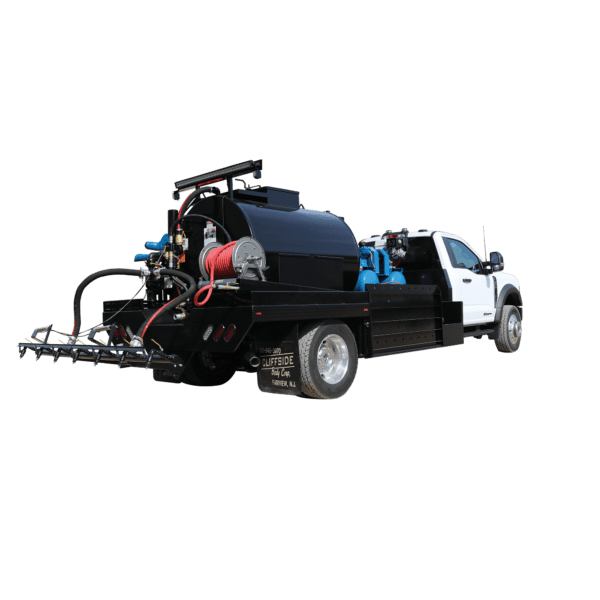
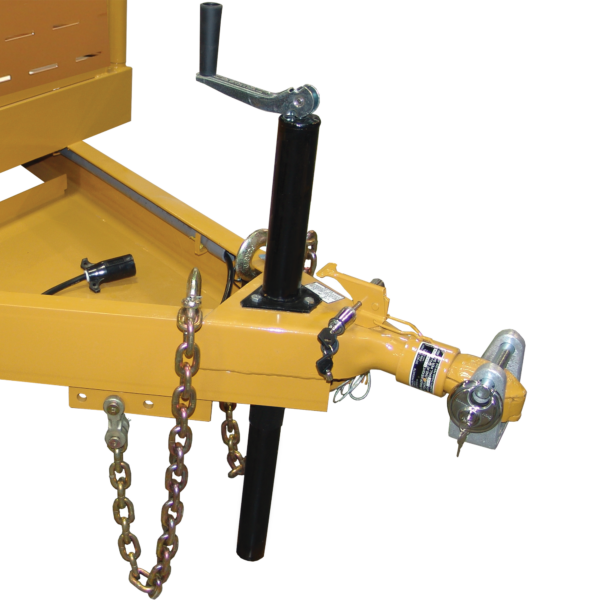
Poor equipment placement creates unnecessary delays on large sites. Before spraying begins, position skids, trailers, and bulk tanks to minimize movement during the job.
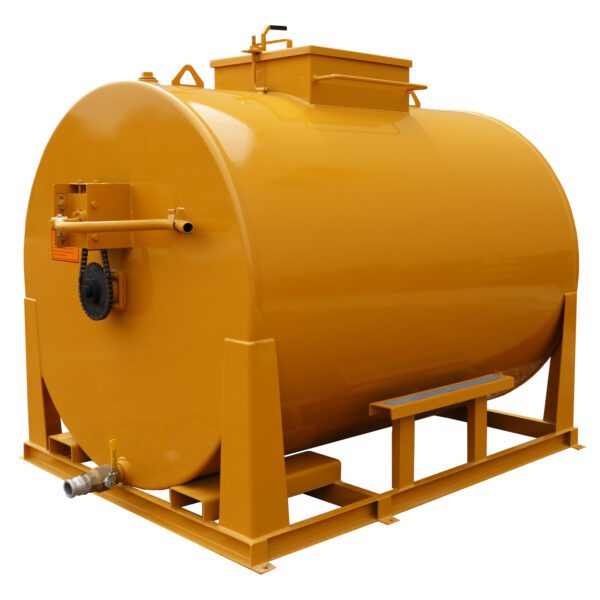
Units should be placed so hose reach covers the entire zone without frequent repositioning. Bulk storage tanks should be centrally located when feeding multiple units and accessible for refilling without crossing sealed areas.
Less movement means fewer interruptions, lower risk of damage, and faster job completion.
Keep Material Supply Balanced Across Units
Material management becomes more critical as the number of units increases. One unit running dry can cause a chain reaction of delays if not addressed quickly.
Start the job with similar fill levels across all units when possible. Track material usage throughout the day and coordinate refills so no unit is caught mid application without sealcoat.
Communication between operators and the crew lead is key. Knowing when a unit is getting low allows refills to happen at the right time instead of stopping production unexpectedly.
Match Spray Settings for Consistent Results
A large site should look uniform when the job is complete. That only happens when spray pressure, tip selection, and application technique are consistent across all units.
Before starting, take time to align equipment settings. Check spray patterns and pressure output on each unit to ensure they are producing similar results. Small differences can become noticeable across a large surface if left unchecked.
Consistency improves appearance and reduces callbacks from property managers who expect a professional finish.
Use Reliable Communication Across the Site
Large jobs often span distances where verbal communication is not effective. Radios or mobile communication tools allow crews to stay connected without leaving their zones.
Operators should be able to report issues such as pressure changes, material consistency problems, or surface concerns as they happen. Supervisors can then make adjustments quickly before problems spread across the site.
Strong communication keeps crews aligned and helps maintain steady progress throughout the day.
Prioritize Safety and Traffic Control
Large commercial properties often remain partially active during sealcoating. Vehicles, pedestrians, and tenants may still be present, making traffic control essential.
Barricades, cones, and signage should be placed before spraying begins and adjusted as zones are completed. Each crew should understand how traffic flows around their work area and who is responsible for monitoring it.
A well-controlled site protects workers, equipment, and the property itself while reducing the risk of costly incidents.
Adjust Workflow Based on Surface Conditions
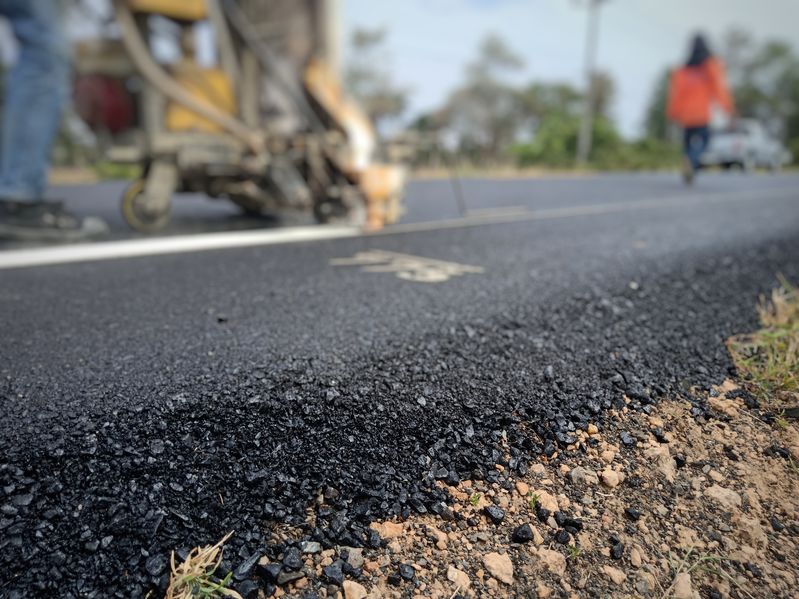
Not all asphalt behaves the same across a large property. Some areas may be newer and denser while others are more weathered and absorb material faster.
Assign experienced operators to challenging sections first and monitor how the surface responds. Adjust spray speed and application thickness as needed to maintain even coverage.
Being flexible with workflow helps maintain quality without slowing overall production.
Prepare for Equipment Issues Before They Happen
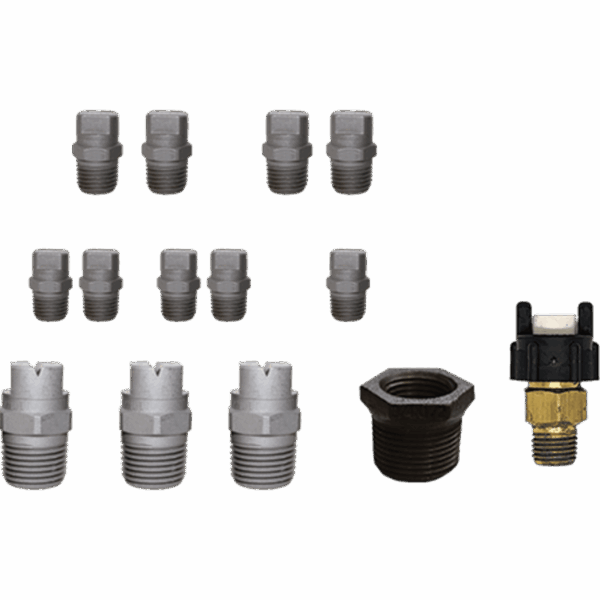
Downtime is expensive on large jobs. Crews should arrive with spare parts such as spray tips, hoses, filters, and valves so minor issues can be resolved immediately.
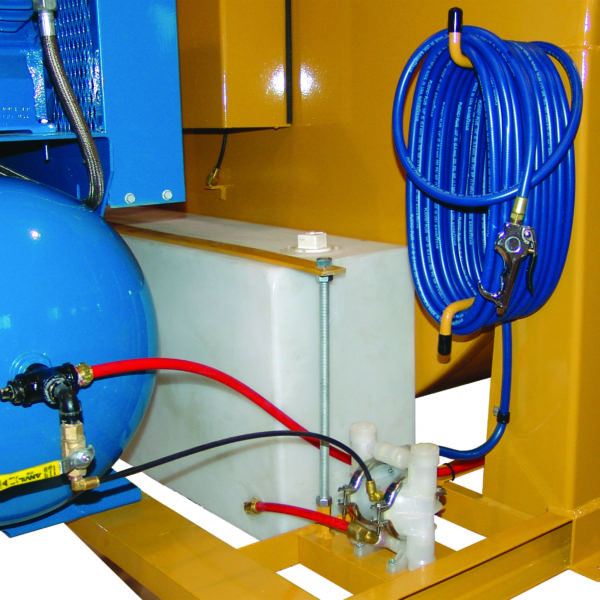
Preventative maintenance before the job begins is just as important. Inspect pumps, agitation systems, hoses, and fittings so problems do not surface mid job.
When one unit experiences an issue, others should be able to continue working without interruption.
Review the Job and Improve the Process
Once the project is complete, take time to evaluate performance. Review material usage, time spent per zone, and any challenges encountered.
This information helps improve future planning and bidding accuracy. Large sites provide valuable data that can be used to refine workflows and increase profitability over time.
Efficient Setup Drives Profitable Results
Managing multiple sealcoating units on large sites is about preparation, coordination, and execution. When equipment is staged properly, roles are clear, and communication is strong, crews work faster without sacrificing quality.
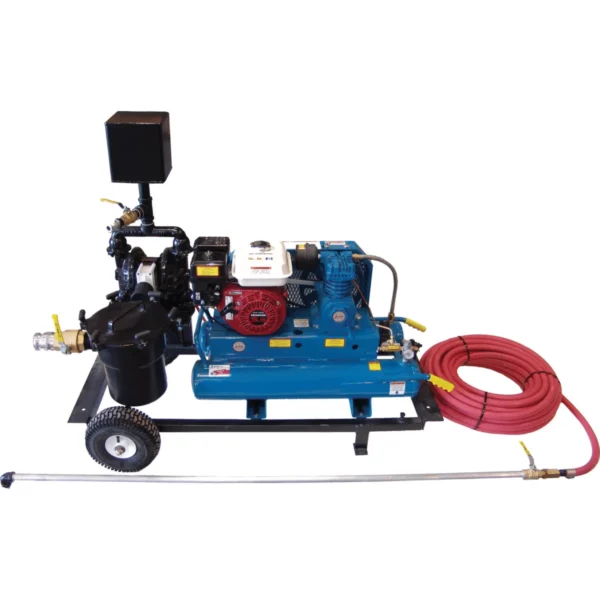
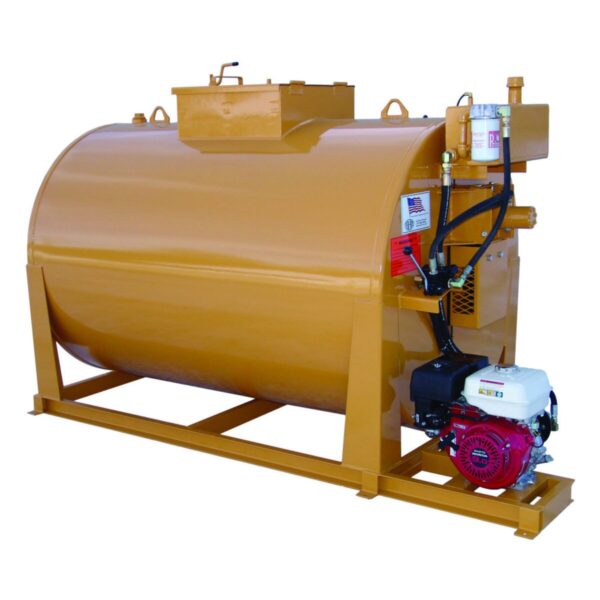
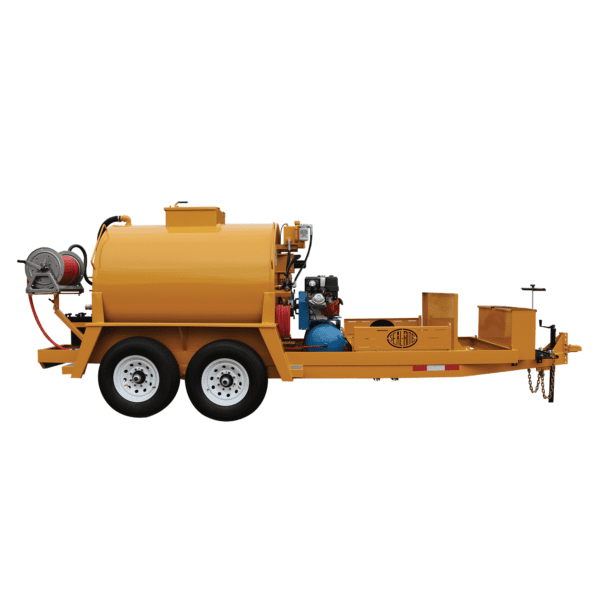
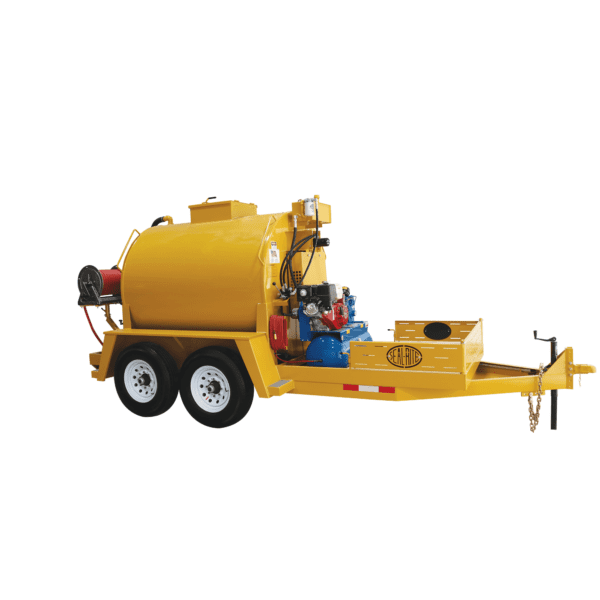
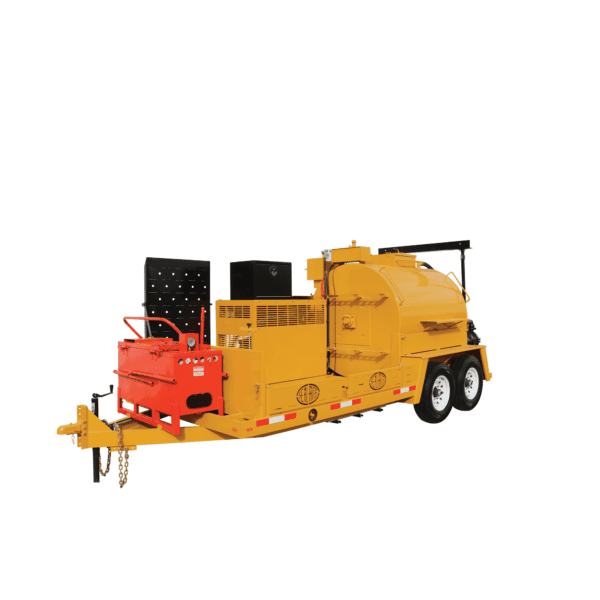
Seal-Rite equipment is built to support high production environments. Pairing that equipment with a well-planned workflow allows contractors to tackle large projects confidently and deliver consistent, professional results every time. Contact Seal-Rite at 573-387-4491today or visit us online for more information!
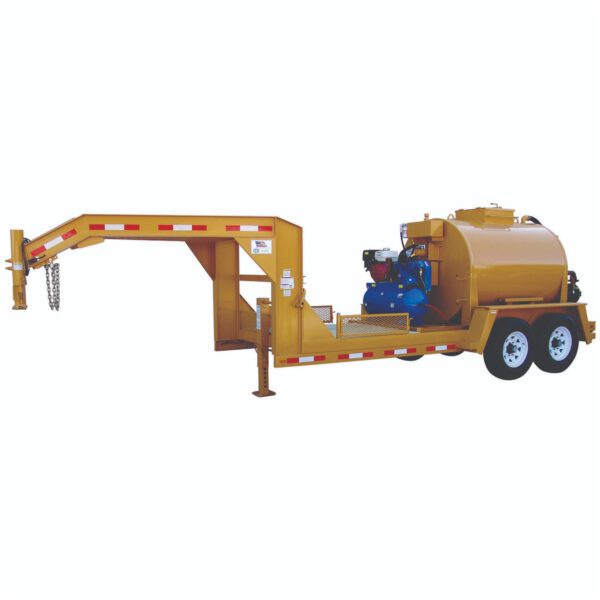
SR-Skid Units
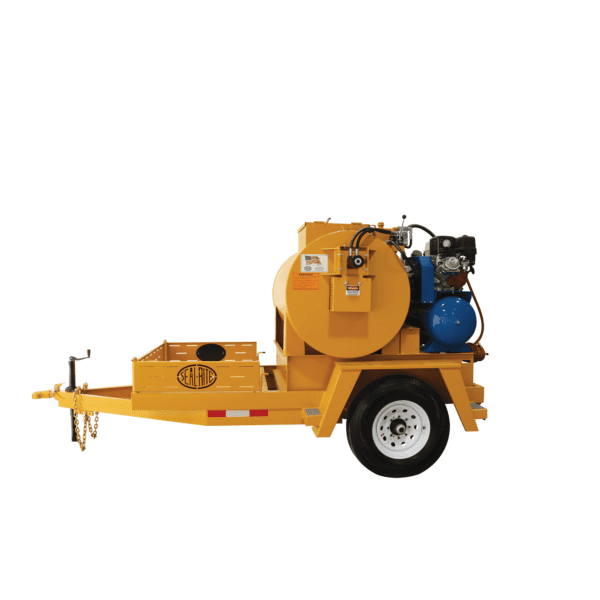
SR-Trailer Units
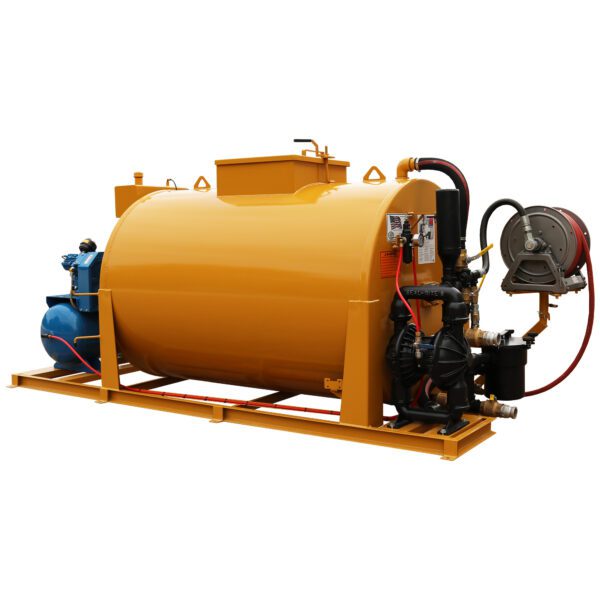
SR-Skid Units
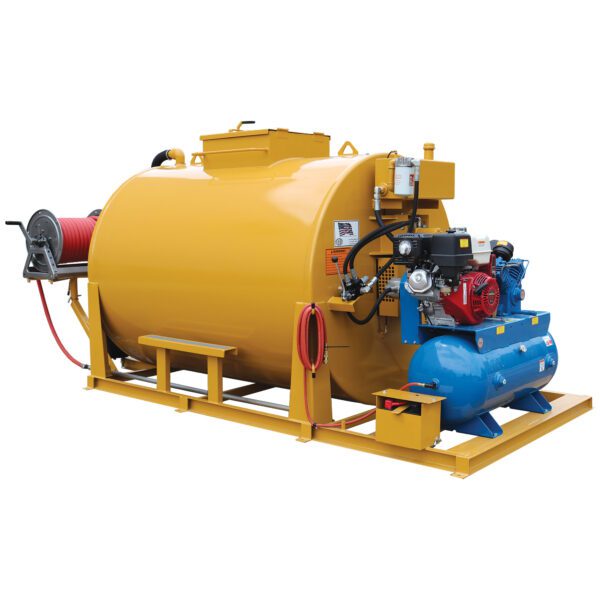
SR-Skid Units
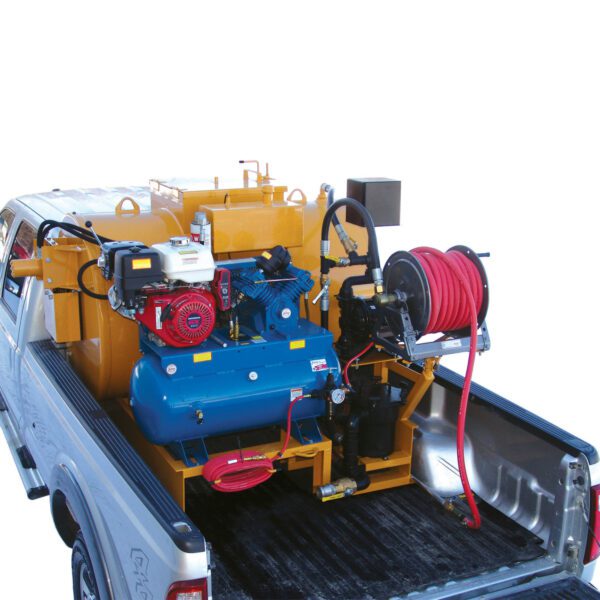
SR-Skid Units
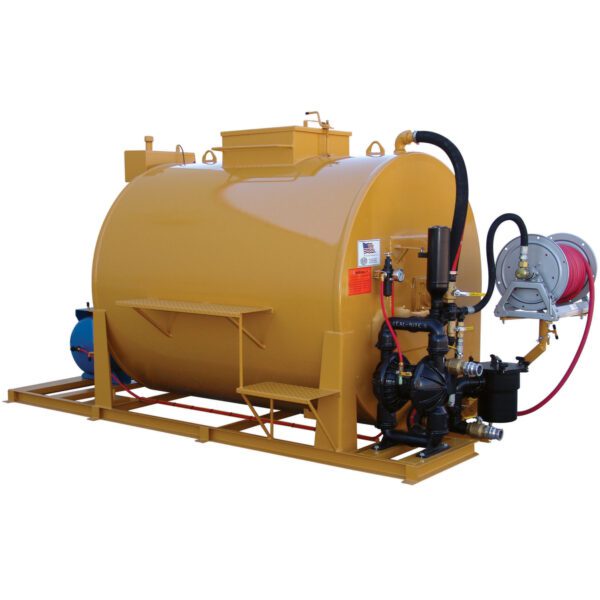
SR-Skid Units
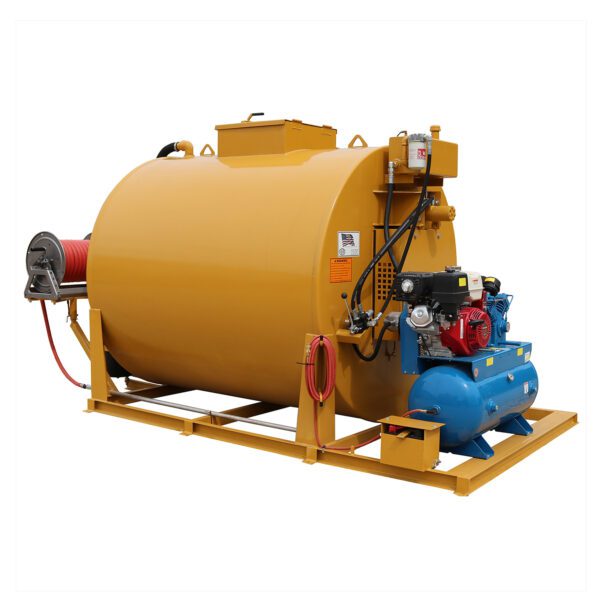
SR-Skid Units
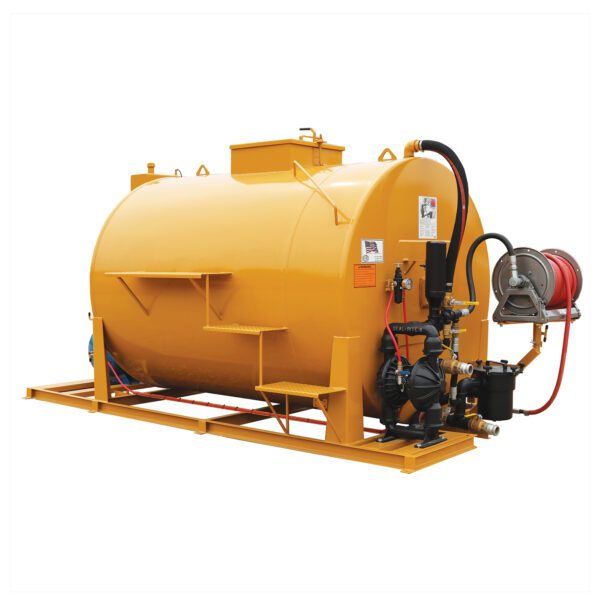
SR-Skid Units
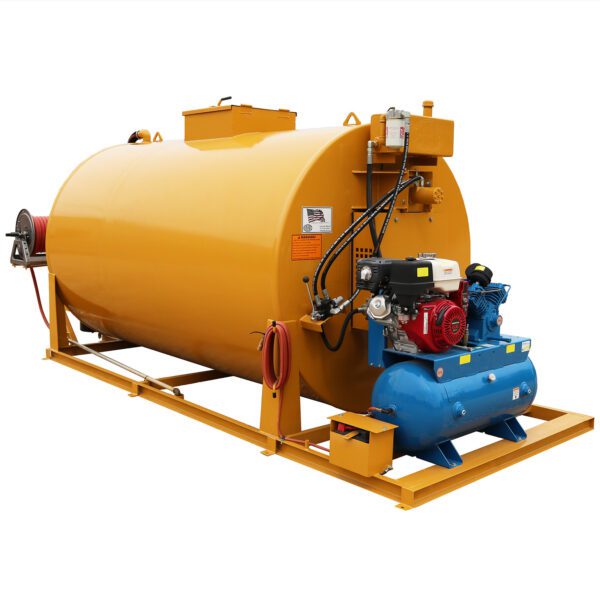
SR-Skid Units
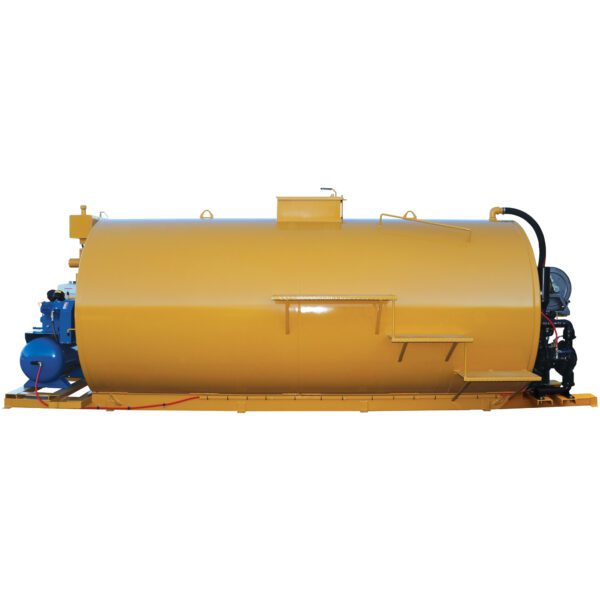
SR-Skid Units
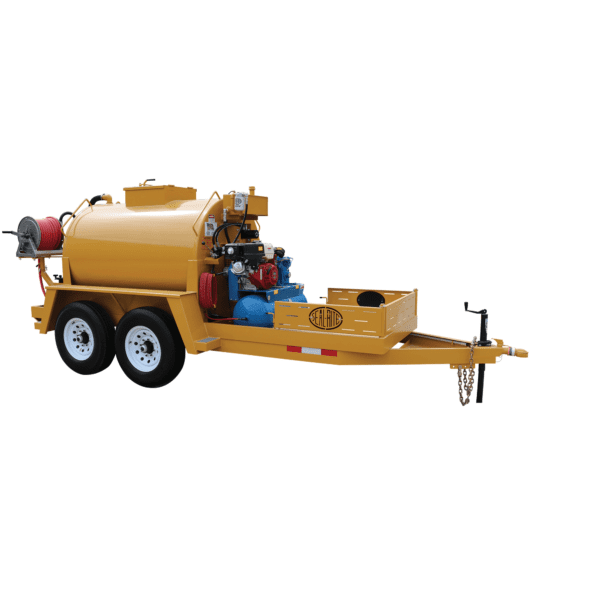
SR-Trailer Units
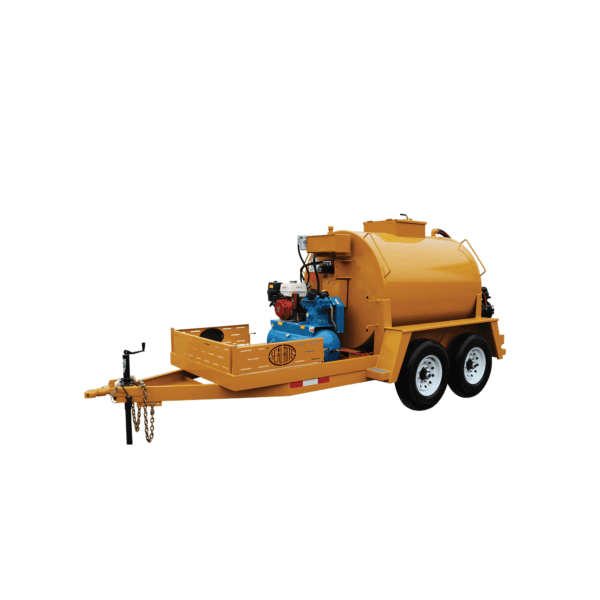
SR-Trailer Units
SR-Trailer Units
SR-Trailer Units
SR-Trailer Units