Sealcoating projects often look straightforward on paper, but once crews arrive on site, small inefficiencies can quickly add up. What starts as a manageable job can turn into a long day when equipment slows things down. In many cases, these delays are not caused by the crew’s effort. They come from limitations in the tools being used. Recognizing common job site bottlenecks and understanding how better equipment can eliminate them is key to running a more productive operation.
Inconsistent Material Mixing
A smooth sealcoating job begins with properly mixed material. When sealcoat is not blended evenly, crews may notice streaking, separation, or uneven finishes. Hand mixing or basic agitation systems often struggle to keep materials consistent throughout the day, especially during larger jobs.
Upgrading to a hydraulic or power agitation system keeps the material in constant motion. This ensures a uniform mix from the first spray to the last pass. Crews spend less time stopping to remix and more time applying product with confidence that the results will look consistent across the entire surface.
Slow Application Processes
Another common bottleneck is slow application speed. Relying too heavily on manual tools can limit how much ground a crew can cover in a day. While these tools are useful for detail work, they are not the most efficient option for large areas.
Modern spray systems make a noticeable difference. With the right pump, hose setup, and spray tip, crews can apply sealcoat quickly and evenly. This allows contractors to complete jobs faster while still maintaining a high-quality finish. Increased efficiency also opens the door to taking on more work during peak season.
Equipment Breakdowns and Delays
Unexpected equipment issues can bring a project to a halt. A failing pump or clogged line can leave a crew standing around instead of working. These situations not only waste time but can also impact customer satisfaction if deadlines are missed.
Professional-grade equipment is designed to handle daily use without constant problems. Reliable components and well-built systems reduce the chances of breakdowns. When equipment is easier to maintain and built for durability, crews can focus on the job instead of worrying about whether their tools will hold up.
Material Handling Challenges
Transporting sealcoat efficiently is another area where jobs can slow down. Smaller tanks require frequent refills, which means crews must stop working and spend time reloading. On larger projects, this can significantly cut into productivity.
Using larger capacity tanks or bulk storage systems helps solve this issue. With more material available on site, crews can work continuously without unnecessary interruptions. Faster loading and unloading systems also reduce the time spent preparing between tasks, keeping the job moving forward.
Limited Mobility on the Jobsite
Moving around a jobsite should be simple, but poorly designed equipment can make it more difficult than it needs to be. Tight spaces, large parking lots, and uneven surfaces all require equipment that is easy to maneuver.
Skid units and trailer systems that are designed with mobility in mind allow crews to move efficiently from one section to another. Organized layouts and easy access to controls also help reduce wasted movement. When everything is within reach and easy to handle, the entire process becomes more streamlined.
Uneven Application Results
Uneven coverage is more than just a visual issue. It often leads to rework, which doubles the time spent on certain areas. Crews may need to go back over sections to fix mistakes, delaying completion and increasing labor costs.
High-quality spray systems provide consistent pressure and even distribution. This allows crews to achieve a uniform finish on the first pass. Minimizing touch-ups streamlines your workflow and ensures a high-quality, professional finish.
Extra Labor to Compensate for Inefficiencies
When equipment does not perform as it should, crews often compensate by adding more labor. This might mean assigning extra workers to mix material, manage hoses, or correct mistakes. Over time, this increases costs and reduces overall efficiency.
Better equipment simplifies the process. With reliable systems handling mixing, pumping, and application, fewer hands are needed to get the job done. This allows contractors to operate with leaner crews while still maintaining strong productivity.
Building a More Efficient Operation
Eliminating bottlenecks is not just about finishing a single job faster. It is about improving how your entire business operates. When equipment supports your workflow instead of slowing it down, every project becomes easier to manage.
Seal-Rite equipment is designed with real jobsite challenges in mind. From advanced agitation systems to durable tanks and dependable components, each piece is built to help contractors work more efficiently. The goal is simple. Reduce downtime, improve consistency, and make every job more productive.
Jobsite bottlenecks are common in sealcoating, but they are not something contractors have to accept. Many of the most frustrating delays can be traced back to equipment that is not keeping up with the demands of the work.
By upgrading to better equipment, crews can move faster, work more efficiently, and deliver consistent results. In an industry where time and quality both matter, having the right tools can make all the difference. Contact Seal-Rite at 573-387-4491 today or visit us online for more information!
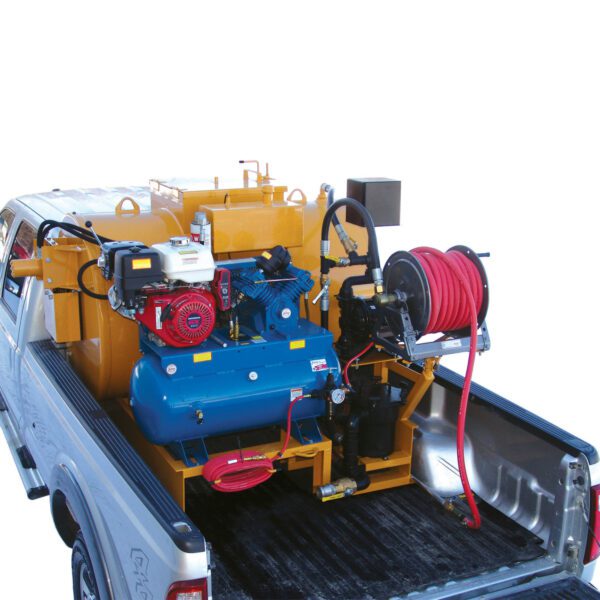
SR-Skid Units
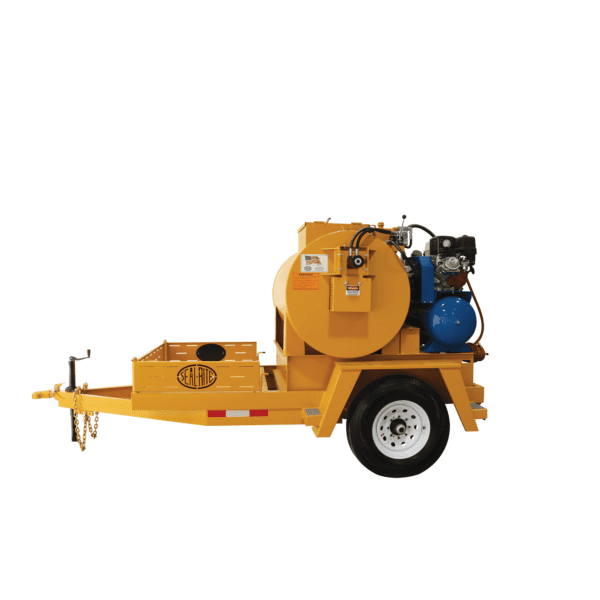
SR-Trailer Units
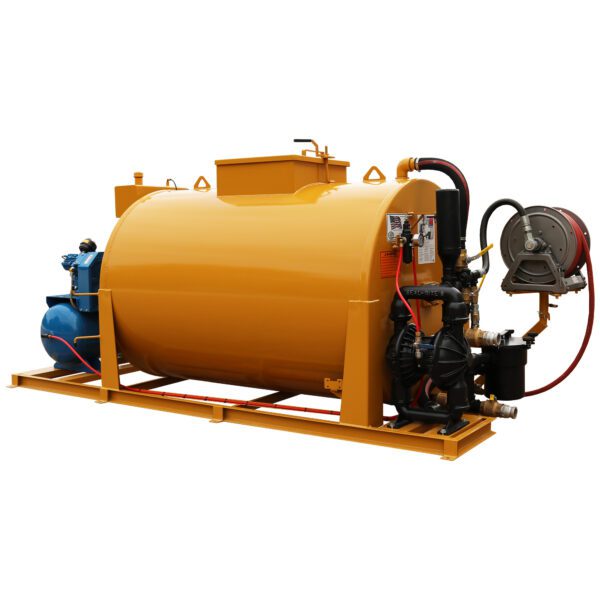
SR-Skid Units
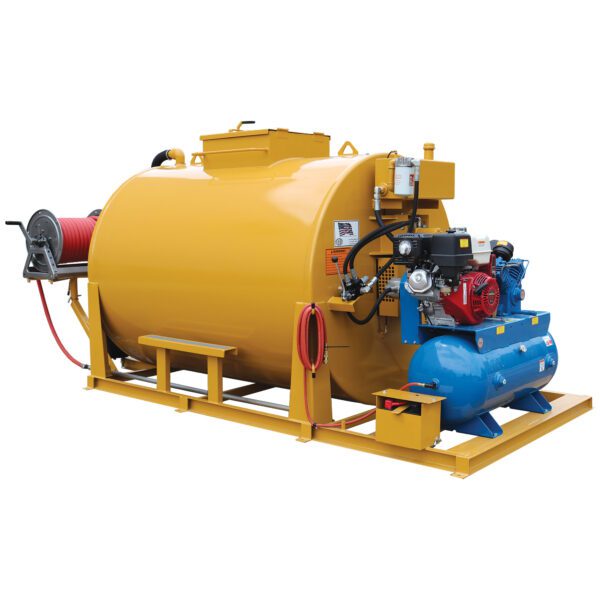
SR-Skid Units
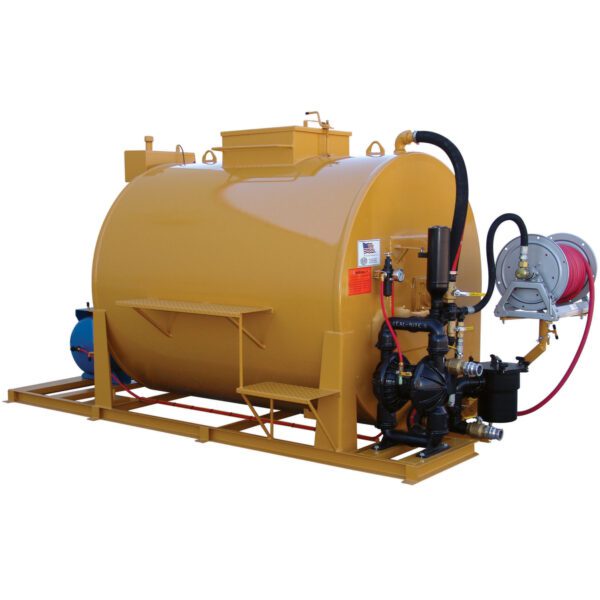
SR-Skid Units
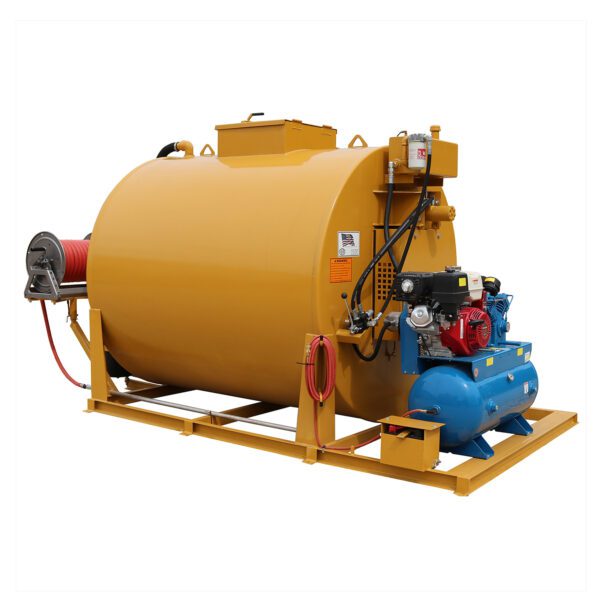
SR-Skid Units
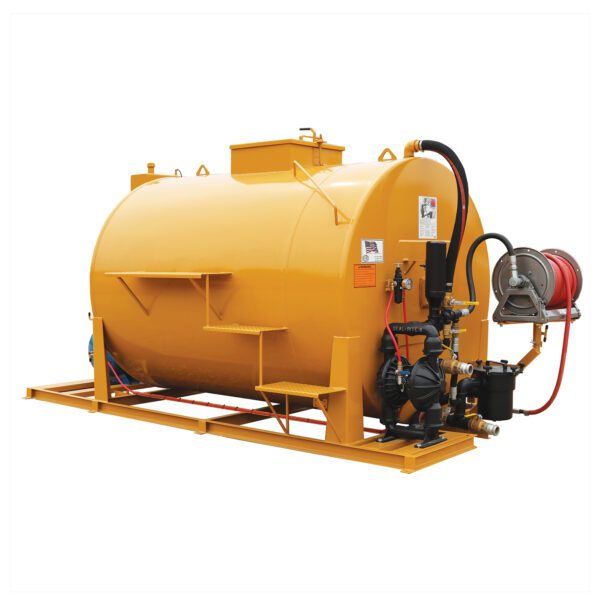
SR-Skid Units
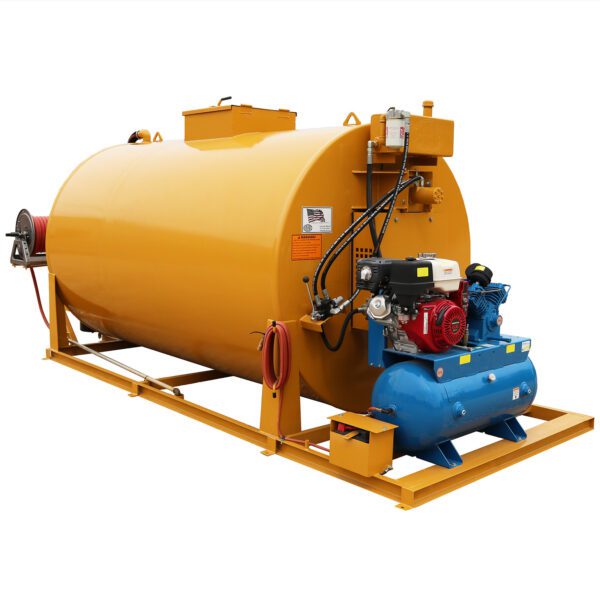
SR-Skid Units
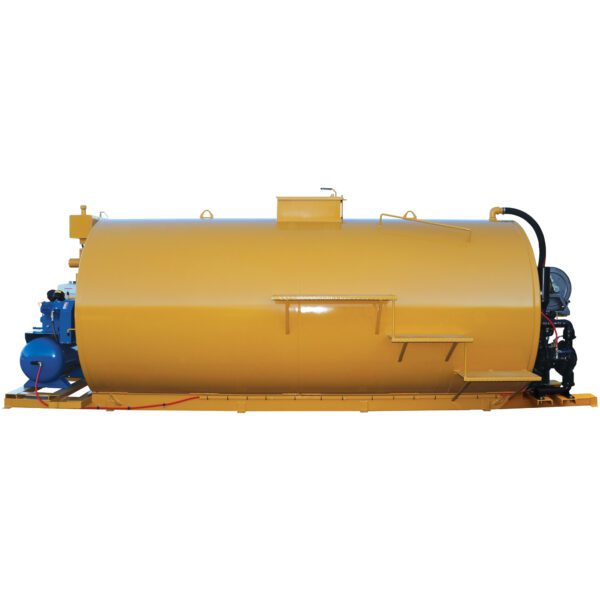
SR-Skid Units
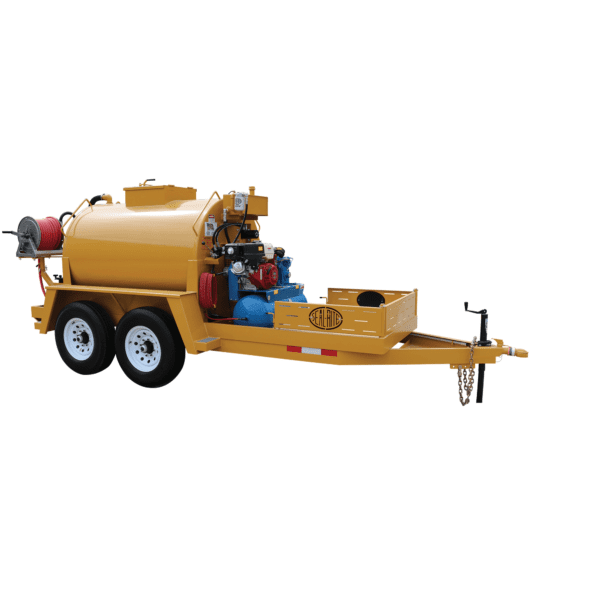
SR-Trailer Units
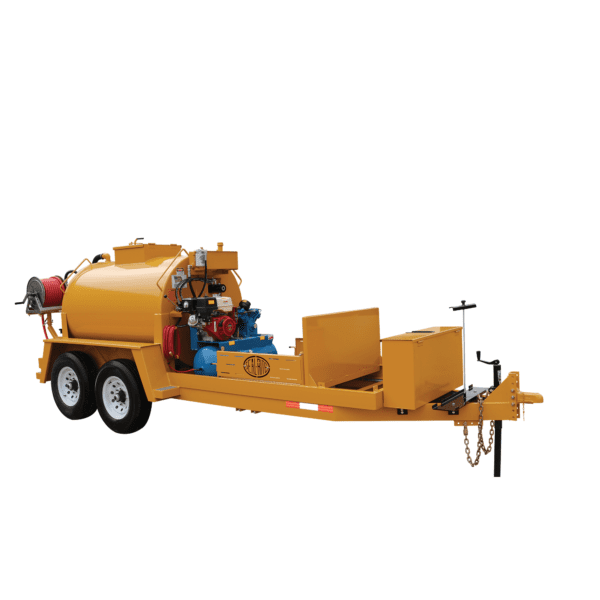
SR-Trailer Units
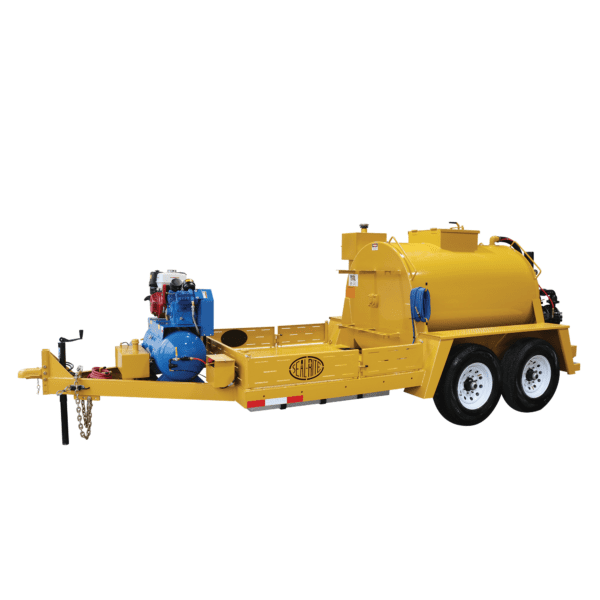
SR-Trailer Units