Sealcoating contractors know that weather rarely cooperates with project timelines. While many people think of sealcoating as a warm weather service, real jobs take place in a wide range of conditions. High winds, sudden cold spells, unexpected rain, and changing humidity can all affect how materials perform and how efficiently crews work. Contractors who learn how to adjust their equipment and strategy to match the environment are better prepared to deliver consistent results and protect their reputation.
Seal-Rite designs its sealcoating trailers, tanks, and skid units with real jobsite conditions in mind. Built by sealcoaters who understand the daily challenges of the industry, this equipment helps crews stay productive when the weather is less than ideal. With the right preparation and reliable tools, contractors can continue working safely and effectively in many types of extreme weather.
Working Through Windy Conditions
Wind can create several obstacles during sealcoating projects. Strong gusts can cause spray drift, uneven coverage, and wasted material. Large open parking lots or rural locations often have little natural protection, which makes precision application more difficult.
Contractors can reduce these issues by adjusting their spray techniques and paying close attention to wind direction before beginning work. Seal-Rite hydraulic spray systems allow operators to maintain better control over material flow, helping to create a more uniform surface even in breezy conditions. In areas where wind makes spraying difficult, switching to squeegee application can improve accuracy and minimize overspray.
Planning the layout of the jobsite also helps. Positioning equipment and staging supplies in sheltered areas can reduce exposure to gusts and make the work zone easier to manage. Small adjustments like these can have a big impact on overall finish quality.
Handling Cold Temperatures and Seasonal Transitions
Cool weather presents its own set of challenges for sealcoating professionals. Lower temperatures can thicken sealcoat material, making it harder to mix and apply smoothly. Curing times may also increase, which raises the risk of tire marks or surface damage before the coating has fully set.
Seal-Rite skids and trailers help address this issue by keeping material thoroughly blended throughout the job. Consistent agitation supports proper flow and helps crews maintain a steady application pace. Contractors working in cooler regions often schedule projects during the warmest part of the day to improve pavement conditions and drying performance.
It is also important to measure surface temperature rather than relying only on air temperature. Pavement that feels cool to the touch may not be ready for coating, even if the forecast appears favorable. Taking the time to verify conditions can prevent costly rework.
Planning Around Rain and Moisture Concerns
Rain delays are common in sealcoating, but moisture can still be a problem even after storms have passed. Applying sealcoat to a damp surface can weaken adhesion and lead to early failure. Contractors who plan for these situations are better able to protect both their schedule and the quality of their work.
Seal-Rite bulk storage tanks with built in agitation and pump systems make it easier to stay prepared during uncertain weather patterns. Having materials properly stored and ready allows crews to respond quickly when clear conditions return. Monitoring forecasts and allowing extra flexibility in scheduling can also help teams avoid rushing into applications that may not perform as expected.
In many cases, waiting for fully dry pavement is the best decision for long term durability. Clients benefit from a longer lasting finish, and contractors reduce the risk of callbacks or warranty issues.
Adjusting Techniques for Humidity Changes
Humidity levels can influence sealcoating results just as much as temperature or rain. High humidity slows the evaporation process, which can extend drying times and affect surface appearance. Very dry conditions, on the other hand, can cause the top layer of sealcoat to dry too quickly while moisture remains trapped below.
Seal-Rite professional grade agitation and spray systems support steady material delivery that helps contractors maintain balanced coverage in changing atmospheric conditions. Crews may need to adjust application thickness or additive levels to match local climate patterns. Understanding how humidity interacts with pavement temperature and airflow helps ensure a smooth and durable finish.
Contractors who pay attention to these environmental factors often see better long term performance from their work. Thoughtful adjustments in technique can prevent streaking, cracking, or uneven curing.
Creating a Weather Ready Sealcoating Approach
Sealcoating in extreme weather requires more than just durable equipment. It involves careful planning, constant monitoring of conditions, and a willingness to adapt throughout the project. Contractors who develop a flexible approach are better equipped to handle unexpected challenges while maintaining productivity.
Seal-Rite skid and trailer units are designed to support this adaptability. With dependable hydraulic agitation systems, strong tank construction, and efficient spray components, crews can rely on their equipment to perform in demanding environments. When combined with smart scheduling and professional application methods, this equipment helps deliver consistent results across a wide range of climates.
Weather conditions may change quickly, but experienced contractors know how to respond. By investing in high quality tools and refining their strategies for extreme conditions, sealcoating professionals can continue producing surfaces that stand up to traffic, temperature swings, and seasonal wear. This level of preparation not only improves project outcomes but also builds lasting trust with customers who depend on reliable workmanship. Contact Seal-Rite at 573-387-4491today or visit us online for more information!
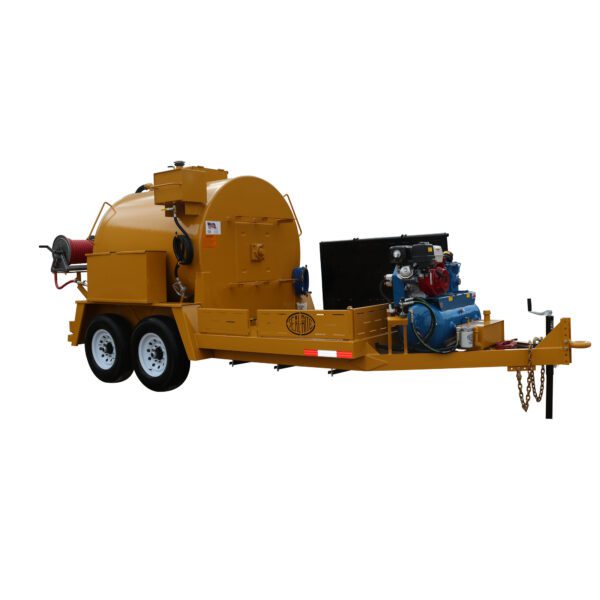
SR-Trailer Units
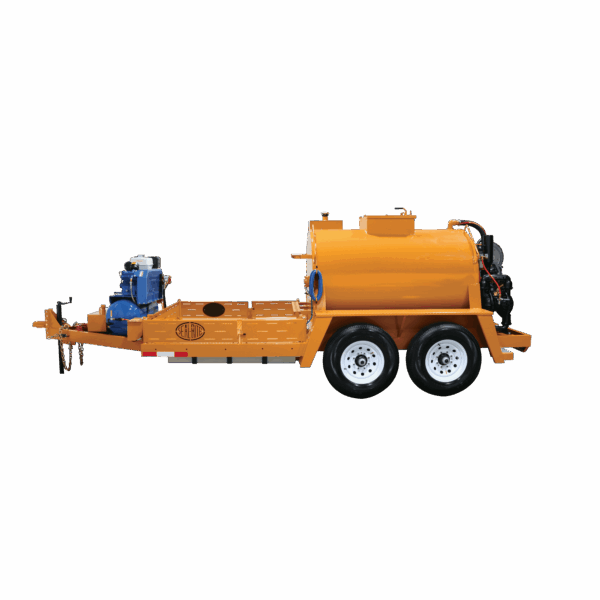
SR-Trailer Units
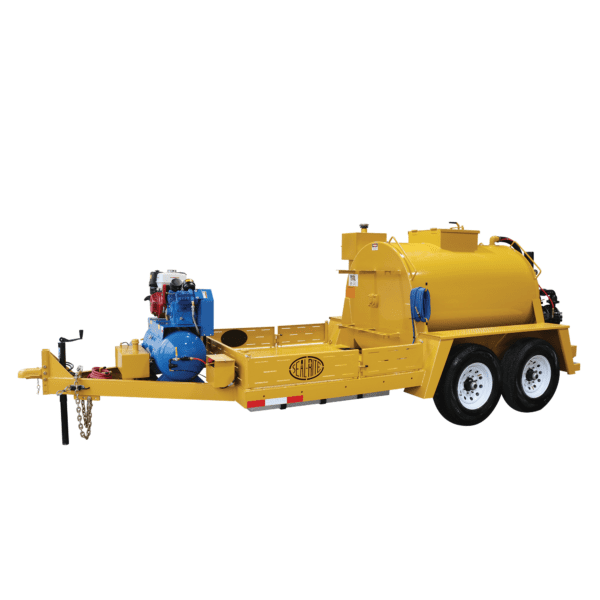
SR-Trailer Units
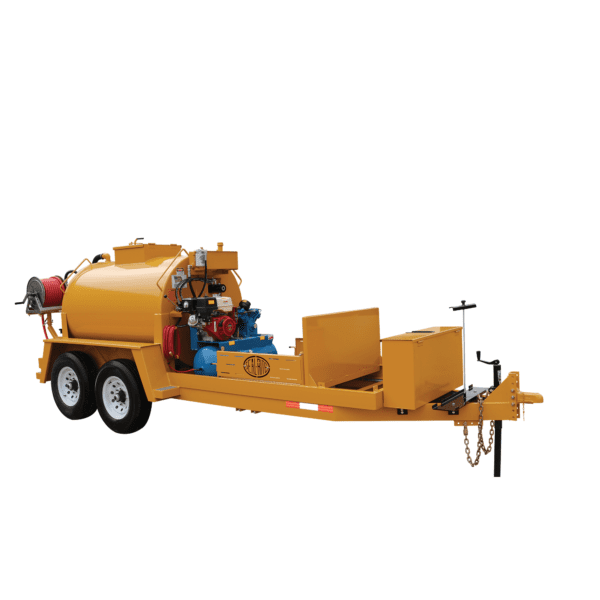
SR-Trailer Units
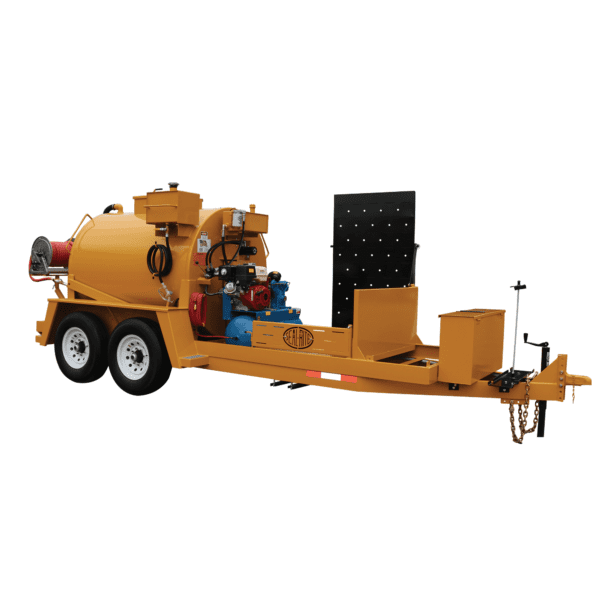
SR-Trailer Units
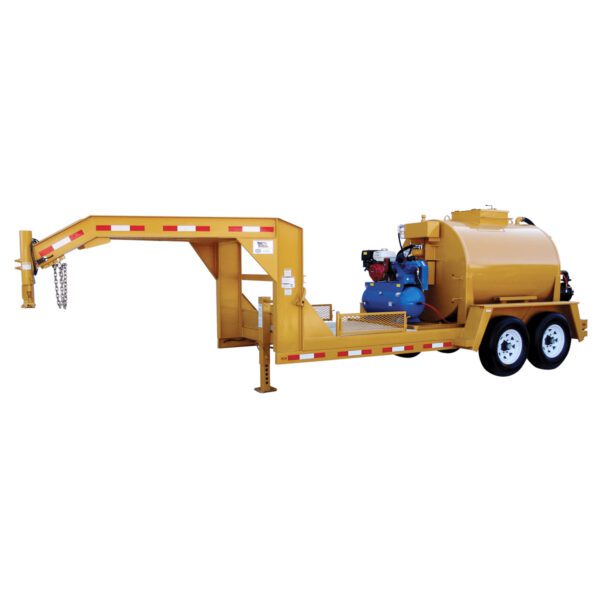
SR-Trailer Units
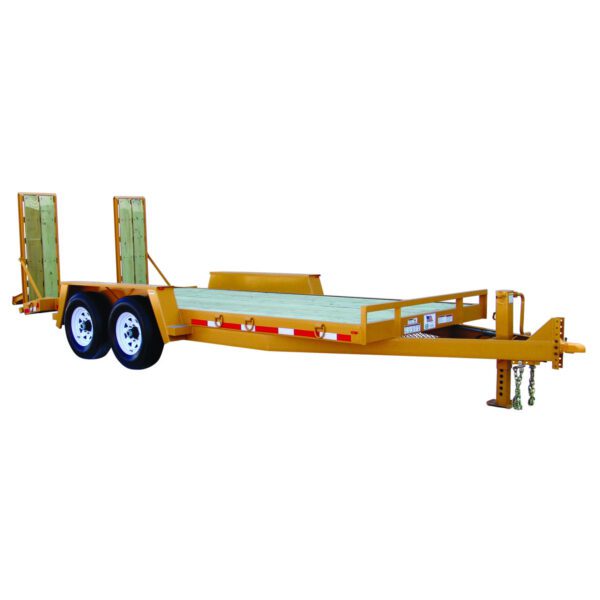
SR-Trailer Units
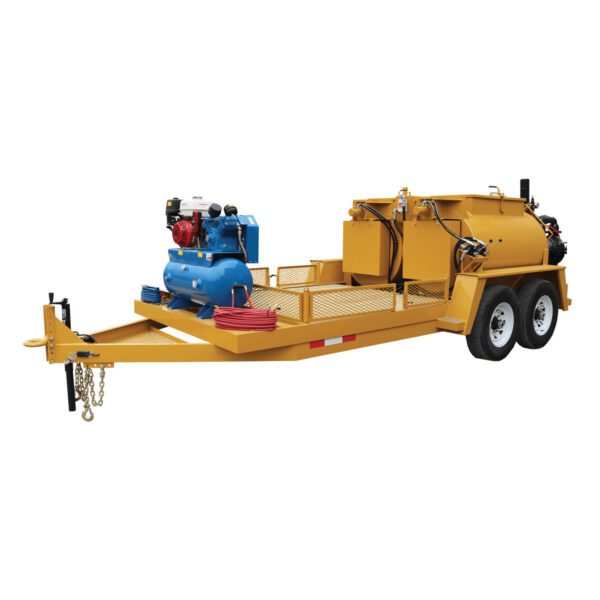
SR-Trailer Units
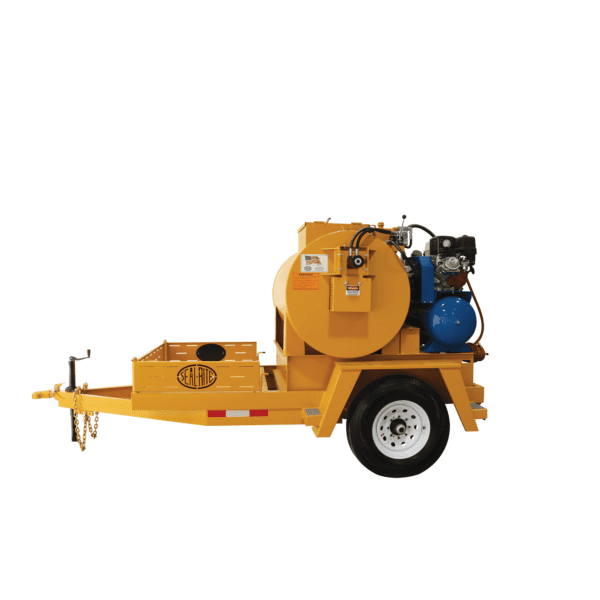
SR-Trailer Units
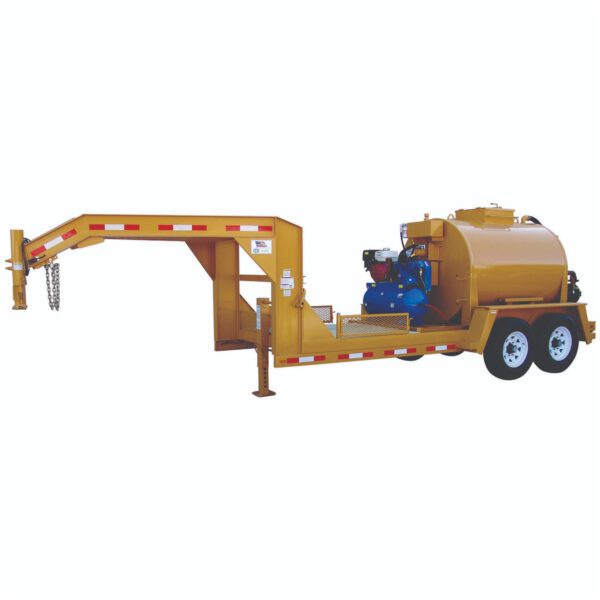
SR-Skid Units
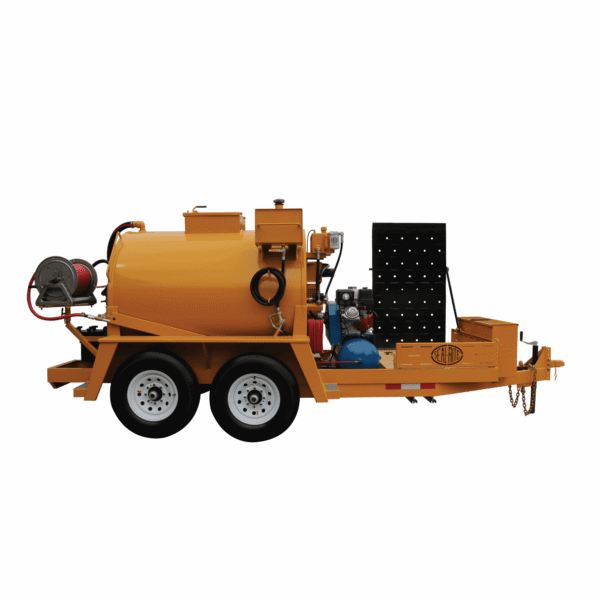
SR-Trailer Units

SR-Trailer Units
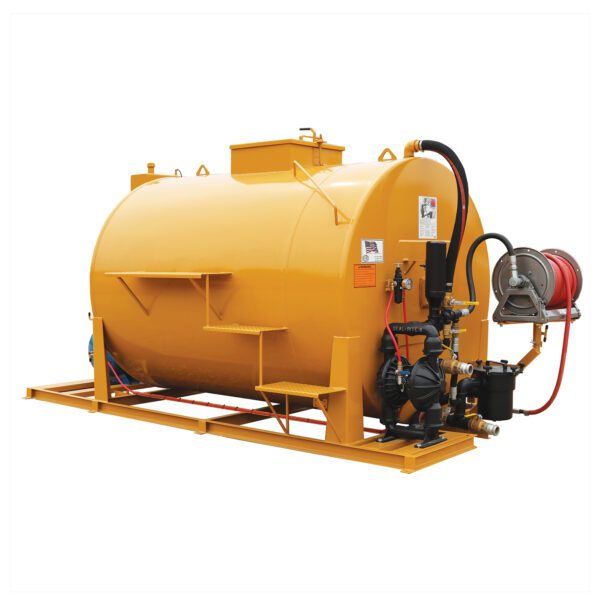
SR-Skid Units
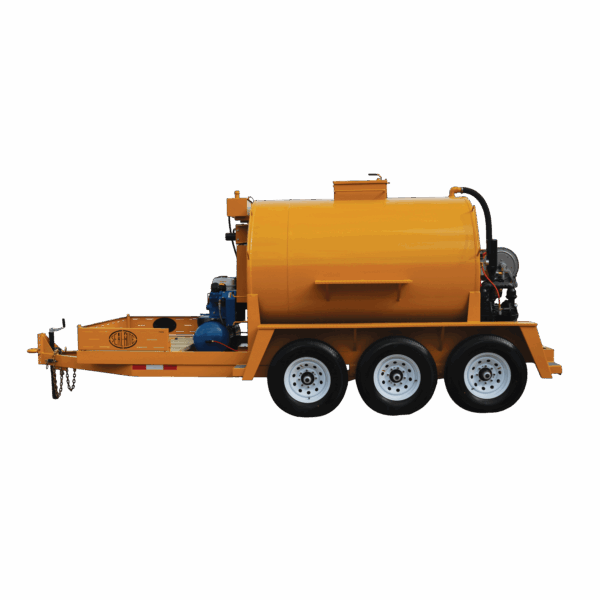
SR-Trailer Units
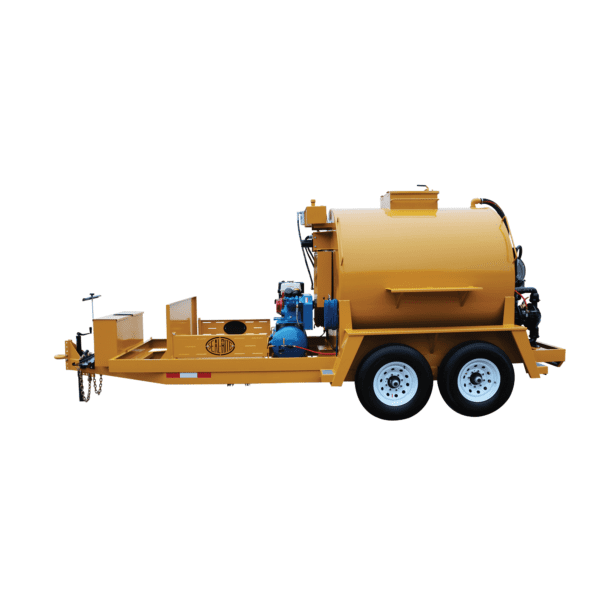
SR-Trailer Units